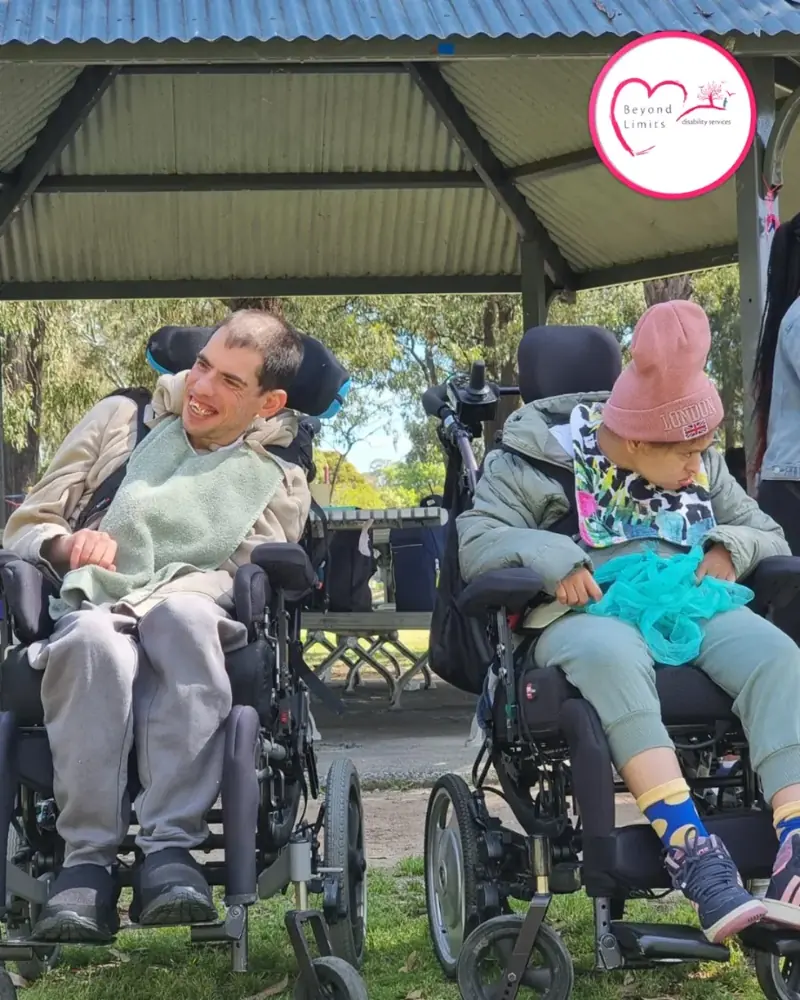
Every year, thousands of young people with disability finish school across Sydney. For many families, choosing what comes next – and finding a place that feels safe, fun and worthwhile – is one of the most important decisions of the year.
A good day program can give a school leaver a weekly routine, a group of friends and real skills for adult life. A poor fit can leave them bored, anxious or stuck at home. This guide explains what a day program is, how it’s funded through the NDIS, and how to compare your options.
What is a day program?
A day program is a structured way for adults with disability to spend their week learning, socialising and taking part in the community. Participants usually spend some time at a centre and some time out and about – at parks, libraries, pools, markets, galleries and local events – with trained support workers.
A school leavers program is a day program designed for young adults, usually aged around 17 to 25. It tends to focus more on independence, friendships with peers and planning the next steps towards work or study.
Day program, SLES or something else?
A day program isn’t the only option after school. Many young people use a mix of supports across the week:
- Day program: routine, social connection, life skills and community outings.
- School Leaver Employment Supports (SLES): NDIS funding focused on getting ready for work, usually for up to two years after school.
- TAFE or further study: vocational or life-skills courses, with support if needed.
- One-to-one community access: a support worker helping with individual interests, sport, volunteering or a part-time job.
If your young person has work goals, SLES and a day program can sit side by side – for example, two days of work-readiness and three days at a day program.
How day programs are funded
Day programs are usually funded from the Core – Assistance with Social, Economic and Community Participation budget in an NDIS plan. Some skill-building activities may be funded from Capacity Building budgets, depending on the plan. Group activities are charged per participant according to the group ratio, in line with the NDIA’s pricing arrangements, and transport is charged separately under NDIS rules.
A plan written while your young person was at school may not include enough social and community participation funding for a full week of adult supports. Talk to your support coordinator or local area coordinator early – ideally in Term 4 – about whether the plan needs to change.
Seven questions to ask every day program
- What ratios do you offer? Look for options from small groups (such as 1:3) through to 1:1 and 2:1 for higher needs.
- Do you provide transport? Door-to-door pick-up in an accessible van makes a huge difference for families who work.
- What are your hours? Check start and finish times, and whether Saturdays are available.
- What does a typical week look like? Ask to see a sample timetable.
- Who are the other participants? Will your young person be with people of a similar age and interests?
- How do you communicate with families? Ask how you’ll hear about the day, and how staff support people who communicate differently.
- Can we visit or do a trial day? A good provider will welcome a visit by appointment.
Understanding support ratios
The ratio is how many support workers are with how many participants. It affects both the support your young person gets and the cost to their plan.
- 1:3 – one worker with three participants. Suits people who enjoy a small group and need lighter support.
- 1:2 – one worker with two participants. Suits people who like company but need more attention.
- 1:1 – one worker with one participant, for individual support or personal goals.
- 2:1 – two workers with one participant, for high support needs, complex health needs or behaviours of concern.
Timing: when should you start looking?
Now is ideal. NSW schools finish for the year in December, and programs often have more flexibility with days and transport runs before the new-year rush. A simple plan:
- October: talk about goals and interests, and check the NDIS plan.
- November: shortlist programs, book visits and ask about trial days.
- December: choose a program, sign a service agreement and confirm transport.
- January–February: start gently with a few days a week, then build up.
School leaver day programs in south-west Sydney
Beyond Limits runs two day program centres in south-west Sydney:
- Casula – for participants from Casula, Liverpool, Prestons, Moorebank, Glenfield, Lurnea and nearby suburbs.
- Condell Park – for participants from Condell Park, Bankstown, Yagoona, Bass Hill, Georges Hall, Padstow, Revesby and nearby suburbs.
Both centres are open Monday to Saturday, 8am to 6pm, offer 1:3, 1:2, 1:1 and 2:1 support, and provide door-to-door transport in our accessible van. You can read more about our day programs and school leavers program, and about our community participation supports.
Frequently asked questions
What age can you start a day program?
Our day programs are for NDIS participants aged 17 and over. School leavers programs usually suit young adults aged around 17 to 25.
How many days a week do school leavers attend?
It depends on the young person and their NDIS plan. Some attend five days, while others combine a few day program days with SLES, TAFE or work.
Is transport included in a day program?
Many programs offer transport. At our Casula and Condell Park centres, our accessible van provides door-to-door transport, which is charged in line with NDIS pricing rules.
Can we try a day program before committing?
Yes. Visits are by appointment, and where possible we can arrange a trial day, including for students in their final year of school.
Related reading
Ask about our day programs in Casula and Condell Park
Both centres are open Monday to Saturday, 8am–6pm, with 1:3, 1:2, 1:1 and 2:1 support and door-to-door transport in our accessible van. Visits are by appointment. Call 1800 920 600 to book a time to look around or talk about a trial day.